POTUSPLATE KITCHEN NOTES
Sauté without steaming everything in the pan
A crowded, wet pan fights browning. Dry surfaces and smaller batches make a bigger difference than frantic stirring.
Prepare before heating
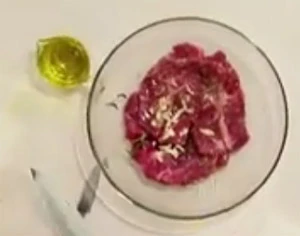
Cut the food into consistent pieces and have seasonings nearby. Pat meat or fish dry with clean paper towels. Keep raw-food utensils separate from anything you will use for serving.
Give the food space
When many wet ingredients enter a pan together, released moisture can collect faster than it evaporates. Cook in batches if necessary. Let the first surface make contact long enough to color before turning, while watching for scorching.
Use heat your pan can handle
A heavy skillet generally holds heat better when food is added. Follow the manufacturer’s limits, especially for nonstick cookware, and do not leave an empty nonstick pan over high heat. Choose a cooking fat suited to the temperature instead of heating any oil until it smokes.
Build a quick pan sauce
After the cooked food is removed, a little stock or water can loosen the browned bits in a suitable pan. Scrape gently, simmer to reduce, then taste before adding salt. Black, burnt residue makes a bitter sauce; it is not the same as brown cooking juices.
Color is not a safety test
A browned exterior does not establish a safe center temperature. Use a thermometer appropriate to the food: ground meat, poultry and whole cuts have different minimums. Rest whole cuts when required.
Sources and editorial notes
FoodSafety.gov: Safe Minimum Internal Temperatures. Original explanation for archive subjects 174 and 298.
Edited October 2026. Practical explanations are written for this edition of PotusPlate.