Theodore Roosevelt
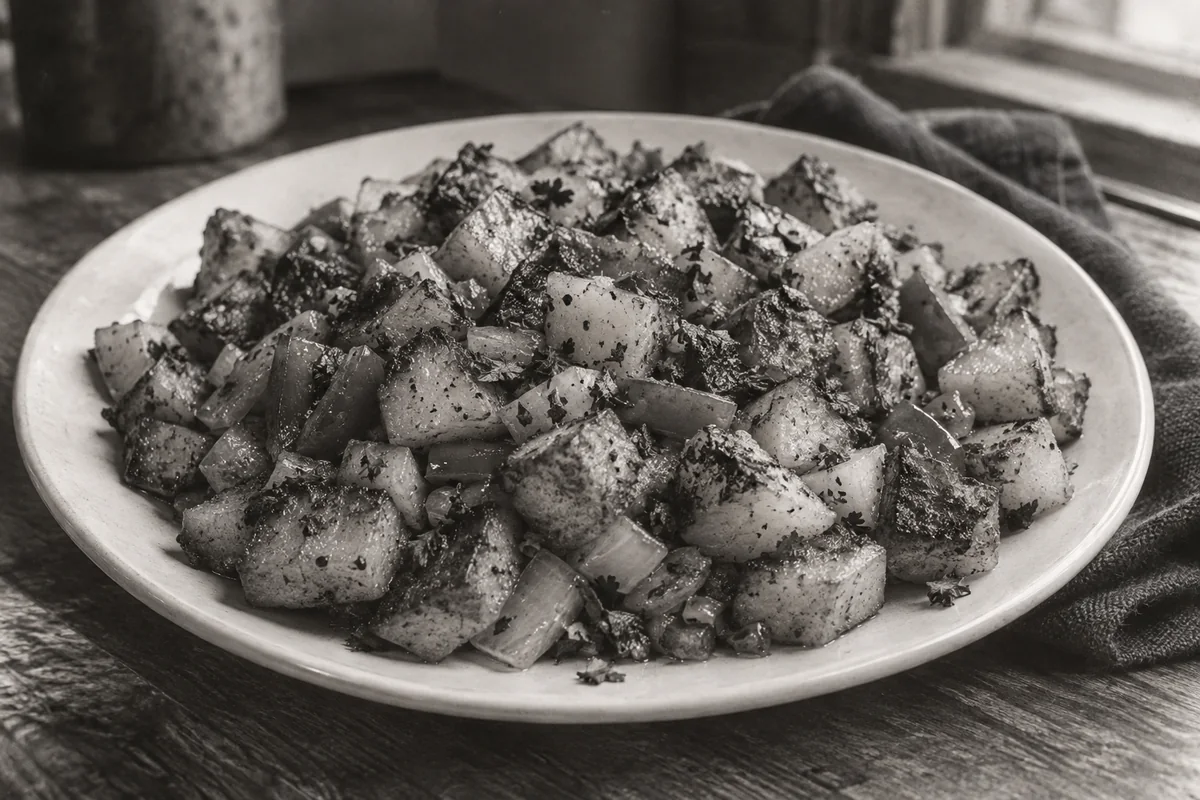
Crispy skillet potato hash
Use a wide pan: crowded potatoes steam instead of crisping.
AT THE TABLE WITH THEODORE ROOSEVELT
Small pieces are easier to cook evenly; a thermometer protects both the crisp crust and the juicy centre.
Jump to recipe ↓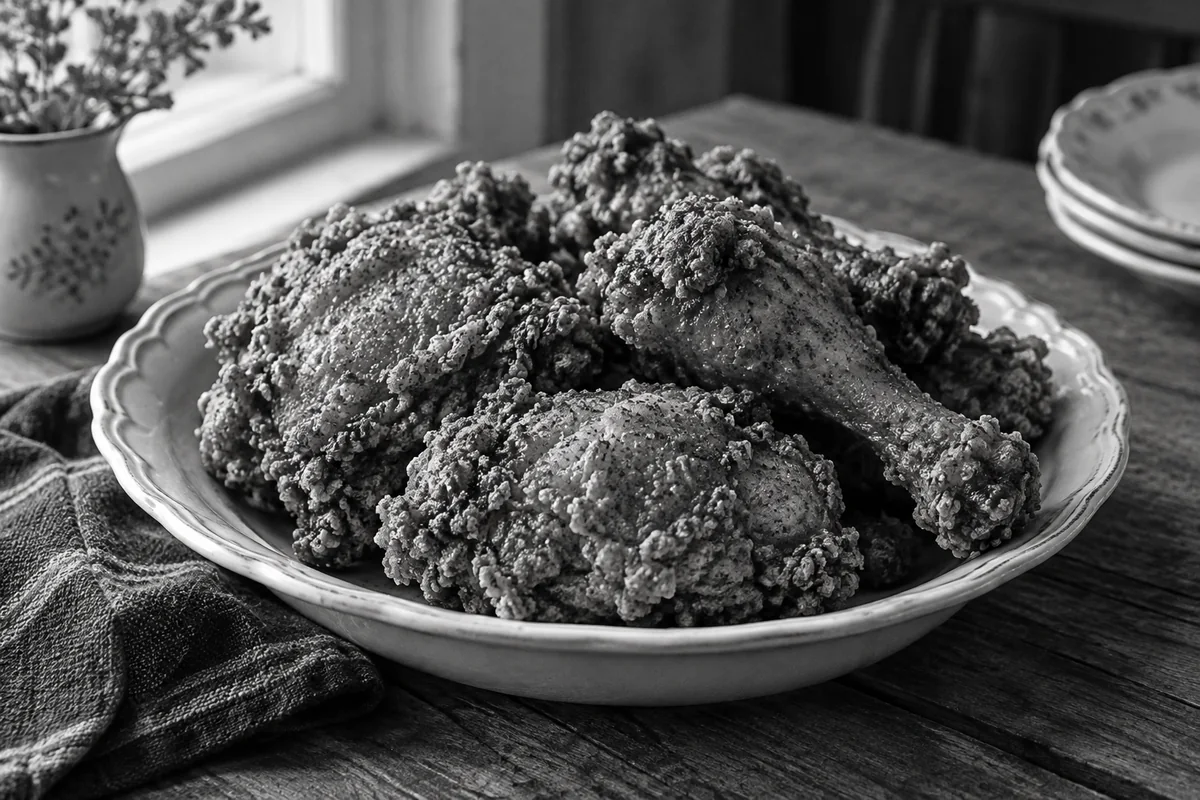
The twenty-sixth president is closely associated with conservation and an energetic public life.
Accounts of Theodore Roosevelt’s tastes include fried chicken. A buttermilk soak and seasoned flour give this home version a crisp crust while the bone-in pieces stay juicy.
National Park Service accounts describe Theodore Roosevelt’s enthusiasm for substantial food: bacon, eggs, fried chicken and plenty of coffee. A surviving letter even specifies how he wanted a soft-boiled egg served, in an egg cup. Food details could matter to him as much as quantities.
National Park Service research on Theodore Roosevelt’s food habits and egg letter.
APRON ON. HISTORY CAN WAIT.
Our home adaptation · Serves 4 · Not yet kitchen-tested
Mix chicken with buttermilk and half the salt. Cover and refrigerate for at least 2 hours, or overnight.
Mix flour with remaining salt, pepper and paprika. Lift chicken from the buttermilk, let excess drip off, and coat thoroughly in flour.
Heat oil in a deep heavy skillet to about 170°C / 340°F. Fry chicken in uncrowded batches, carefully turning every 5 minutes, for roughly 18–25 minutes. Keep the oil around 160–170°C / 320–340°F.
Check every piece: the thickest meat must reach 74°C / 165°F without touching bone. If the crust darkens first, finish on a rack in a 180°C / 350°F oven. Drain on a rack for 5 minutes before serving.
A modern home recipe with practical ingredients and measured quantities.
Metric and US measures are approximate equivalents. For baking, use weights when you can.
STAY FOR ANOTHER COURSE