POTUSPLATE KITCHEN NOTES
Better microwave cooking: power, portions and pauses
A microwave can do more than reheat coffee. Learn how to get evenly cooked food without pretending every appliance runs at the same power.
Start with wattage
A time written for a 1,000-watt microwave is only a starting point in an 800-watt machine. Look for the output power on your appliance label or manual. Begin with the lower end of a recipe’s range, then add short intervals. A simple wattage ratio can suggest a first adjustment, but it cannot guarantee even heating or food safety.
Choose the right dish
Use a container marked microwave-safe and follow its instructions. A wide, shallow dish makes it easier to spread food evenly. Vent the cover so steam can escape; never seal the container tightly. Keep foil and metal out unless the appliance manufacturer explicitly permits a specific use. A specialist browning dish has its own instructions and is not interchangeable with an ordinary glass bowl.
Stir, turn and rest
Stir from the cooler center toward the warmer edges during heating. Turn larger pieces and redistribute them when practical. Standing time is part of cooking: leave the food covered for the stated time, then check it. Open a hot lid away from your face because steam can burn.
Check the food, not just the timer
Microwaves can leave cold spots. Check several places with a food thermometer after standing; leftovers should reach 165°F (74°C). Poultry also needs 165°F (74°C). Follow package directions for frozen convenience foods, including any required standing time. Never assume that a hot dish means the middle of the food is hot.
What to cook first
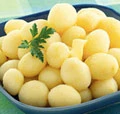
Start with our paprika potatoes or vegetable stew. Both let you learn your machine’s timing with small, evenly cut pieces. For crisp crusts and deep browning, an oven or skillet usually gives a more direct result.
Sources and editorial notes
USDA Food Safety and Inspection Service: Microwave Ovens and Food Safety; FoodSafety.gov: Safe Minimum Internal Temperatures. Archive topics 379, 383 and 388.
Edited October 2026. Practical explanations are written for this edition of PotusPlate.