POTUSPLATE KITCHEN NOTES
Make dinner ahead without losing the good texture
Some things improve after a rest. Others should meet the plate at the last minute. Plan around moisture, heat and safe storage.
Choose dishes that tolerate waiting
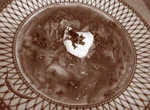
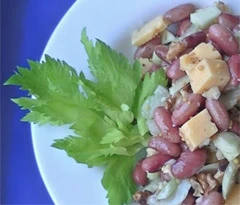
Soups and stews are useful make-ahead dishes because they can be reheated gently and loosened with liquid. A bean salad has time to absorb its dressing. Crisp toast and fried coatings are less forgiving because they take up moisture as they sit.
Keep the crisp parts separate
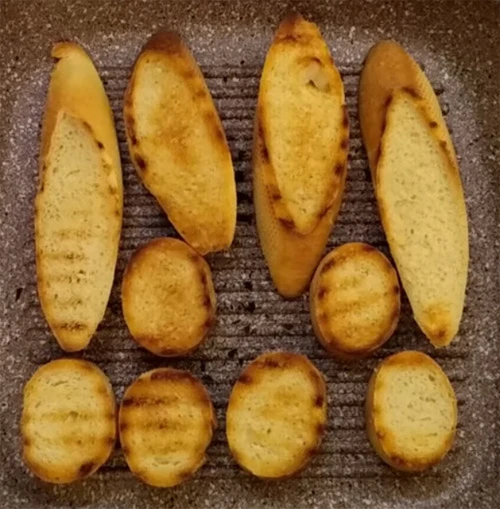
Toast the bread for bruschetta and prepare the tomato mixture separately; assemble near serving. Keep salad leaves out of a wet dressing until needed. Place cooked waffles on a rack, not in a steamy stack.
Cool in smaller portions
Do not leave a large pot out all evening waiting for it to become cold. Divide leftovers into shallow containers and refrigerate within two hours, or within one hour if the temperature is above 90°F (32°C). Keep the refrigerator at 40°F (4°C) or below.
Label and reheat deliberately
Most cooked leftovers should be used within three to four refrigerated days or frozen. Label containers with the cooking date. Reheat leftovers to 165°F (74°C); stir and check more than one spot when using a microwave.
Make the final step small
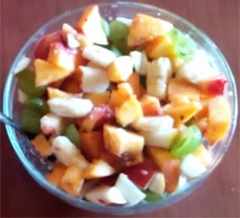
Prepare the main dish ahead, then keep one quick finishing job for serving: chopped herbs for soup, fresh banana for fruit salad, or melted cheese on bruschetta. This gives a meal some freshness without restarting the whole recipe.
Sources and editorial notes
USDA FSIS: Leftovers and Food Safety; FoodSafety.gov: Safe Minimum Internal Temperatures. Archive subjects 288, 310 and 305.
Edited October 2026. Practical explanations are written for this edition of PotusPlate.