POTUSPLATE KITCHEN NOTES
Choose a pasta shape that suits your sauce
You do not need to memorize an encyclopedia of pasta. Start with the texture of the sauce and the way you want to eat it.
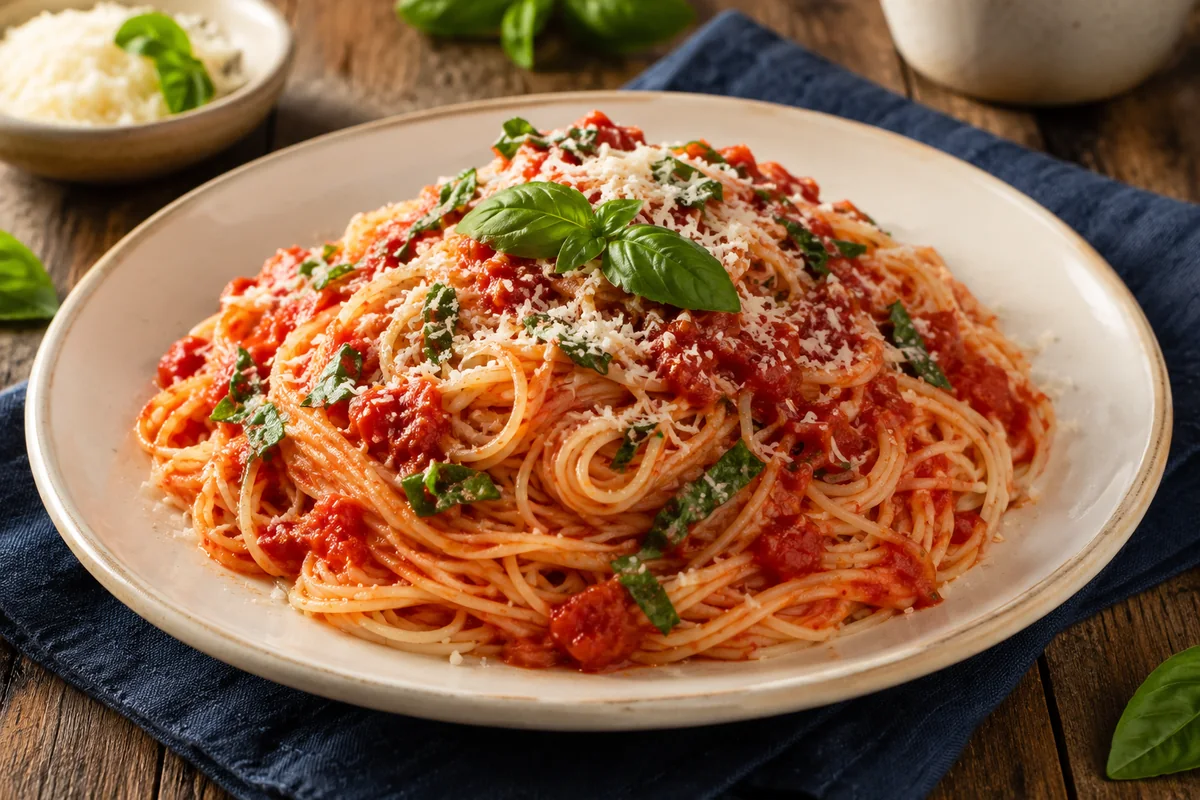
Long strands for smooth coatings
Spaghetti and linguine work well when the sauce can coat each strand. Toss the pasta and sauce together instead of placing a ladle of sauce on a dry pile. A little reserved cooking water can help the sauce spread and cling.
Tubes and ridges for pieces
Penne, rigatoni and other short shapes can catch small pieces of vegetables or meat. Larger openings hold more substantial fillings. Match the size of the other ingredients to the pasta so a forkful includes both.
Small shapes for soup
Small shells, tiny tubes and similar shapes are easy to eat with a spoon. They continue taking up liquid after cooking. If a soup will wait before serving, cook the pasta separately and add it to individual bowls, or expect to add more broth.
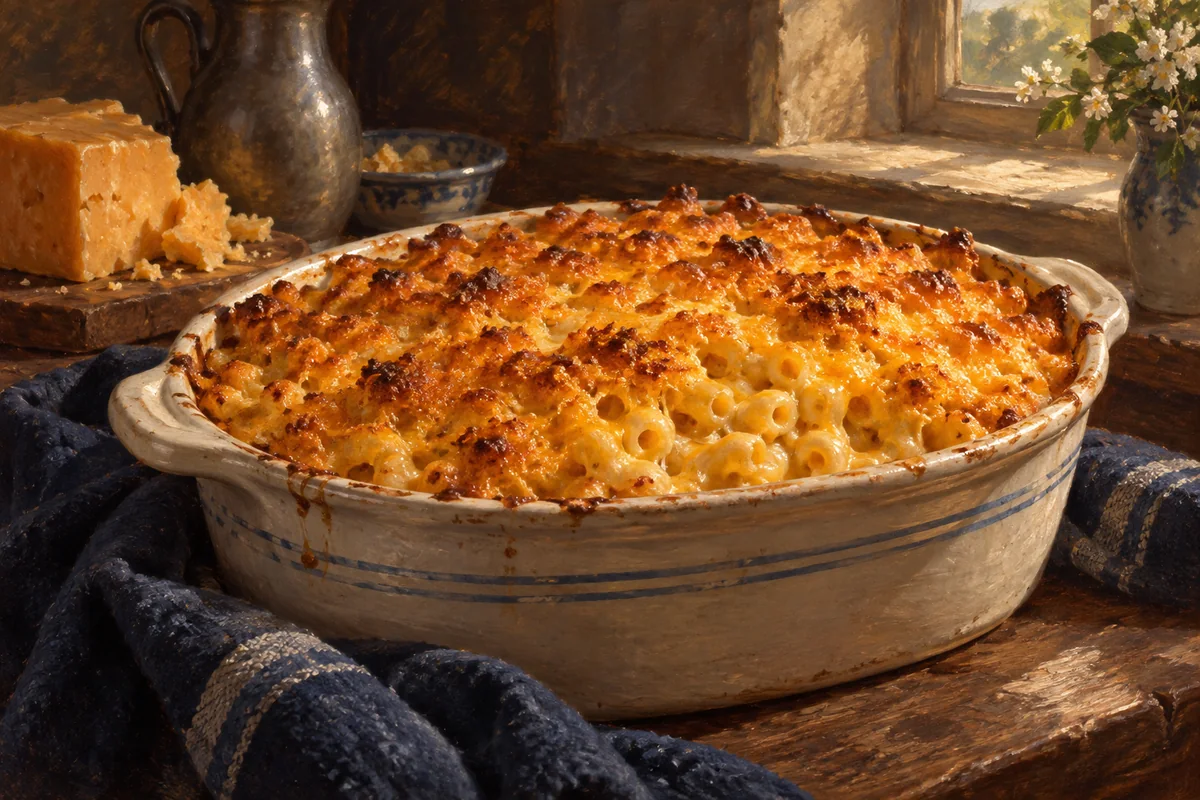
Baked pasta needs enough moisture
Pasta absorbs liquid while it sits and bakes. Follow the recipe’s pre-cooking instructions and keep enough sauce to surround the pasta. A crisp top is welcome; dry, hard corners usually mean the dish needed more sauce or protection during baking.
Use the package as a starting point
Thickness and flour blends vary by brand. Taste a piece near the end of the suggested cooking time. Reserve some cooking water before draining, and finish the pasta in the sauce when the recipe calls for it.
Sources and editorial notes
New PotusPlate guide based on the cooking topics in archive articles 53 and 572.
Edited October 2026. Practical explanations are written for this edition of PotusPlate.